

The Different Levels of Perfume: Extract, EDP, EDT and More – The Ultimate Guide for Perfume Lovers
Welcome to this comprehensive guide dedicated to the different levels of perfume . If you're passionate about fragrances, whether you're looking for a niche perfume or simply want to understand the nuances between a perfume extract , an eau de parfum (EDP) , and an eau de toilette (EDT) , you've come to the right place. In this article, we'll explore these concentrations in detail.
Whether you're a beginner or an expert, this blog is designed to answer your most common questions. We'll cover concentration percentages, practical differences, and even how to test using samples or decanters . Let's get started!
What are Scent Levels and Why Do They Matter?
Not all perfumes are created equal in terms of strength and longevity. Fragrance levels refer to the concentration of essential oils in the formula. The higher the concentration, the more intense and long-lasting the scent. This influences not only the olfactory experience but also the price and suitability for everyday use.
To help you with this, we will present a comparison of different perfumes in a table. Our comparison is based on typical percentages of essential oils (fragrant essences) diluted in alcohol and water. These values vary slightly between brands, but they provide a general idea.
| Perfume Level | Concentration in Essential Oils (In %) |
Average duration on the skin | Typical Use | Examples of prices (per 100ml) |
| Perfume extract (or pure perfume) | 20-40% | 8-12 hours | Evenings, special occasions |
Between 100 and 300 euros (often for niche perfumes) |
| Eau de Parfum (EDP) | 15-20% | 6-8 hours | Daily life, evenings | Between 50 and 150 euros |
| Eau de Toilette (EDT) | 5-15% | 4-6 hours | Light daily use | Between 30 and 100 euros |
| Eau de Cologne (EDC) | 2-5% | 2-4 hours | Rapid cooling | Between 20 and 60 euros |
| Fresh Water | 1-3% | 1-2 hours | After sports, summer | Between 15 and 60 euros |
So, what is the strongest level of fragrance?
The answer is undoubtedly perfume extract, with a concentration of up to 40% essential oils. Unlike an eau de toilette (EDT), which evaporates more quickly, extract offers exceptional longevity. Ideal for niche perfumes, it is often sold in small bottles to avoid waste. If you are testing with a sample or decant, start with a small amount – its potency can be surprising!
What is the difference between Eau de Parfum (EDP) and Eau de Toilette (EDT)?
Eau de parfum (EDP) contains 15-20% fragrance essences, making it more intense and longer-lasting than eau de toilette (EDT) (5-15%). In practice, an EDP is perfect for all-day wear, while an EDT requires reapplying. For those on a budget, consider decanters—smaller quantities taken from an original bottle allow you to try fragrances without breaking the bank. Decanting is common practice in the niche perfume community , where samples help discover rare fragrances.
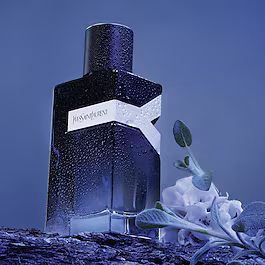
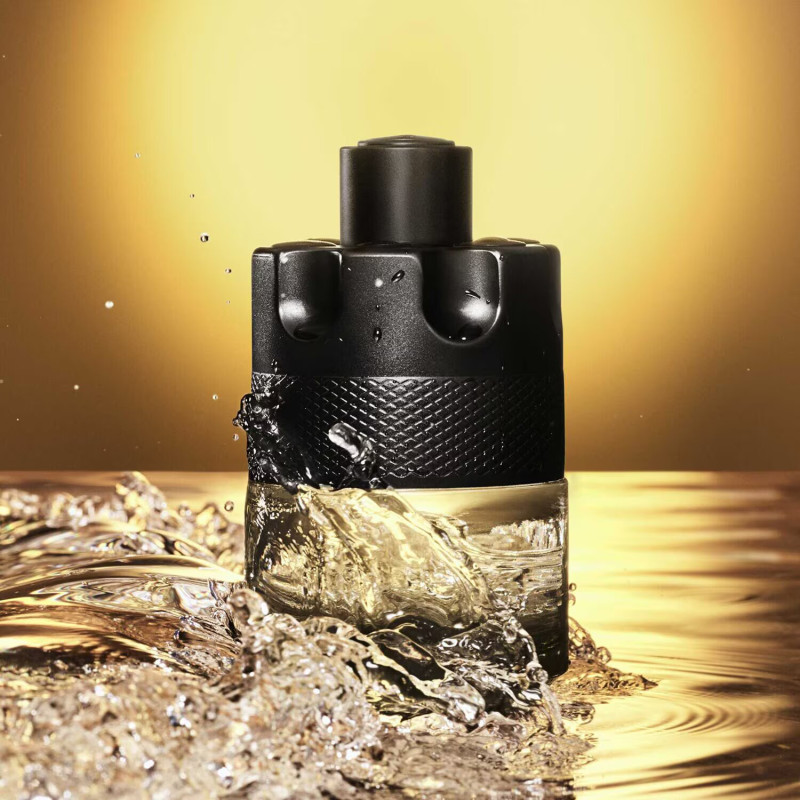
Eau de Parfum
Concentration percentage: 17.5
Lifespan in hours: 7
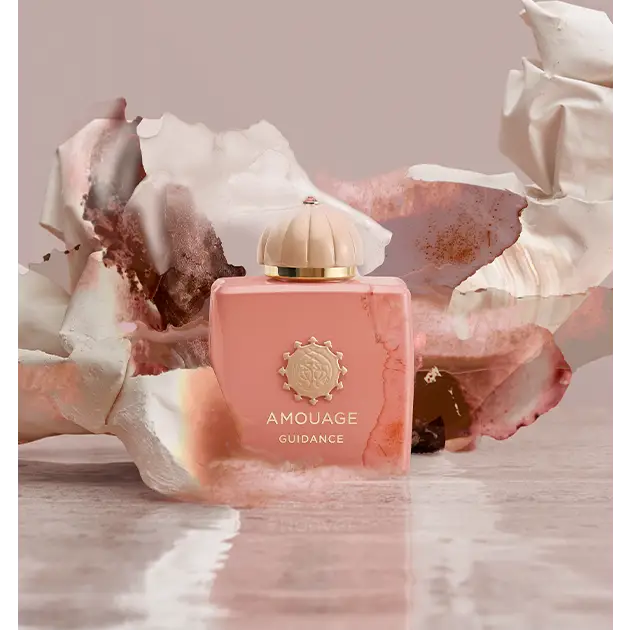
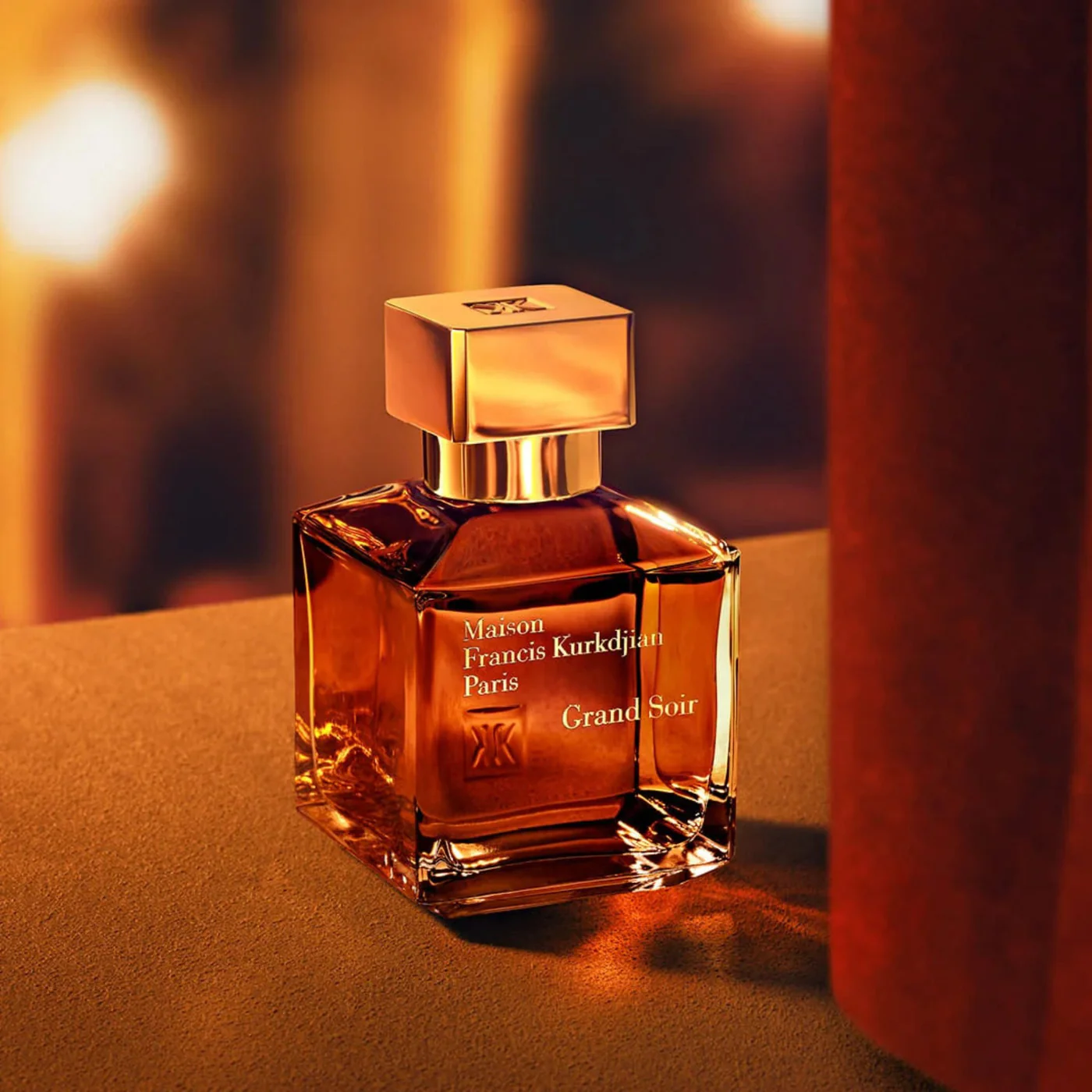
Eau de toilette
Concentration percentage: 10
Lifespan in hours: 5
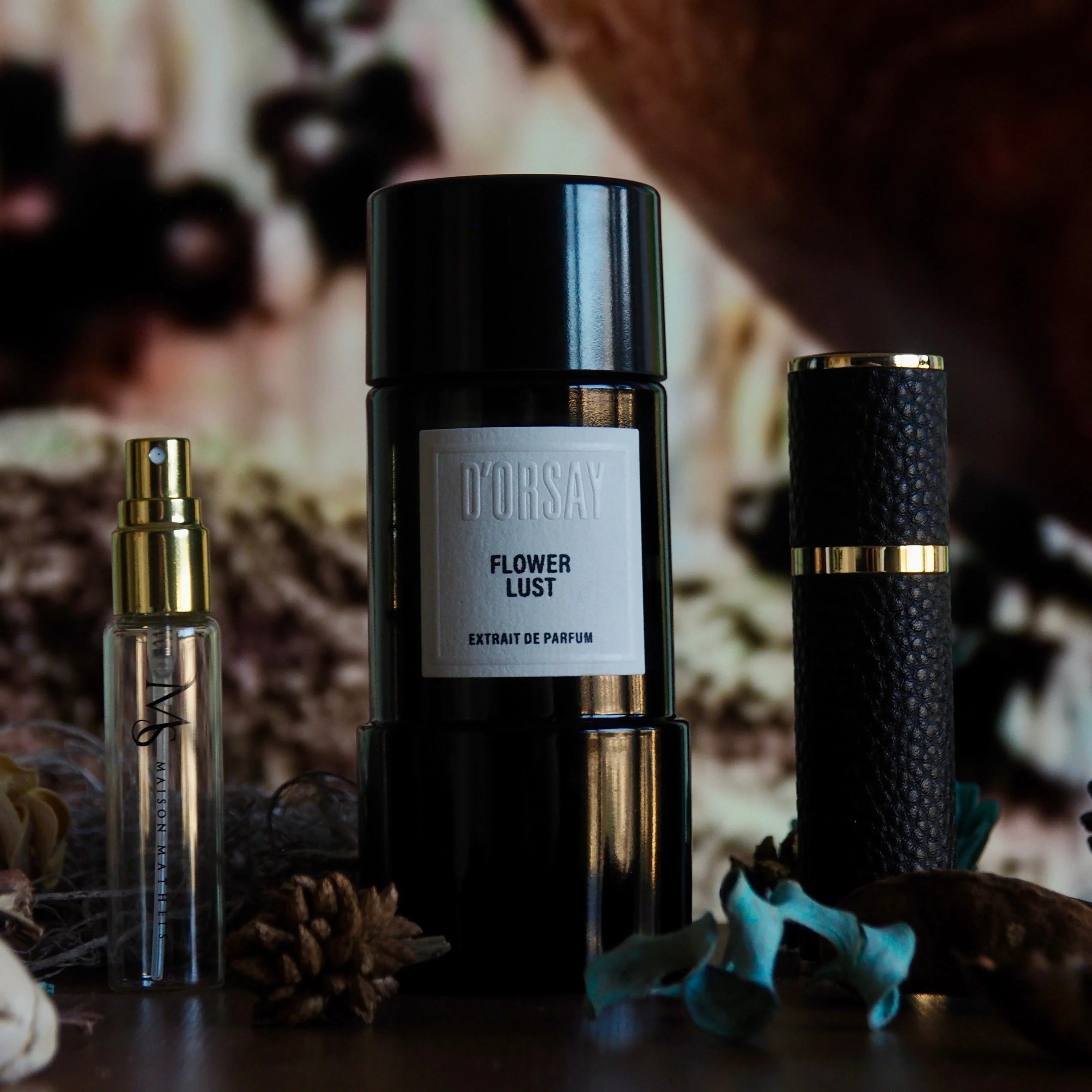
Regarding niche perfume...
Maison Matheis
Niche perfumes are handcrafted creations, often with ingredients
unique and
High concentrations, such as in extracts or EDP. Unlike perfumes
mainstream, they aim for originality. This is where decantation is necessary, in order to
to try several levels without obligation.
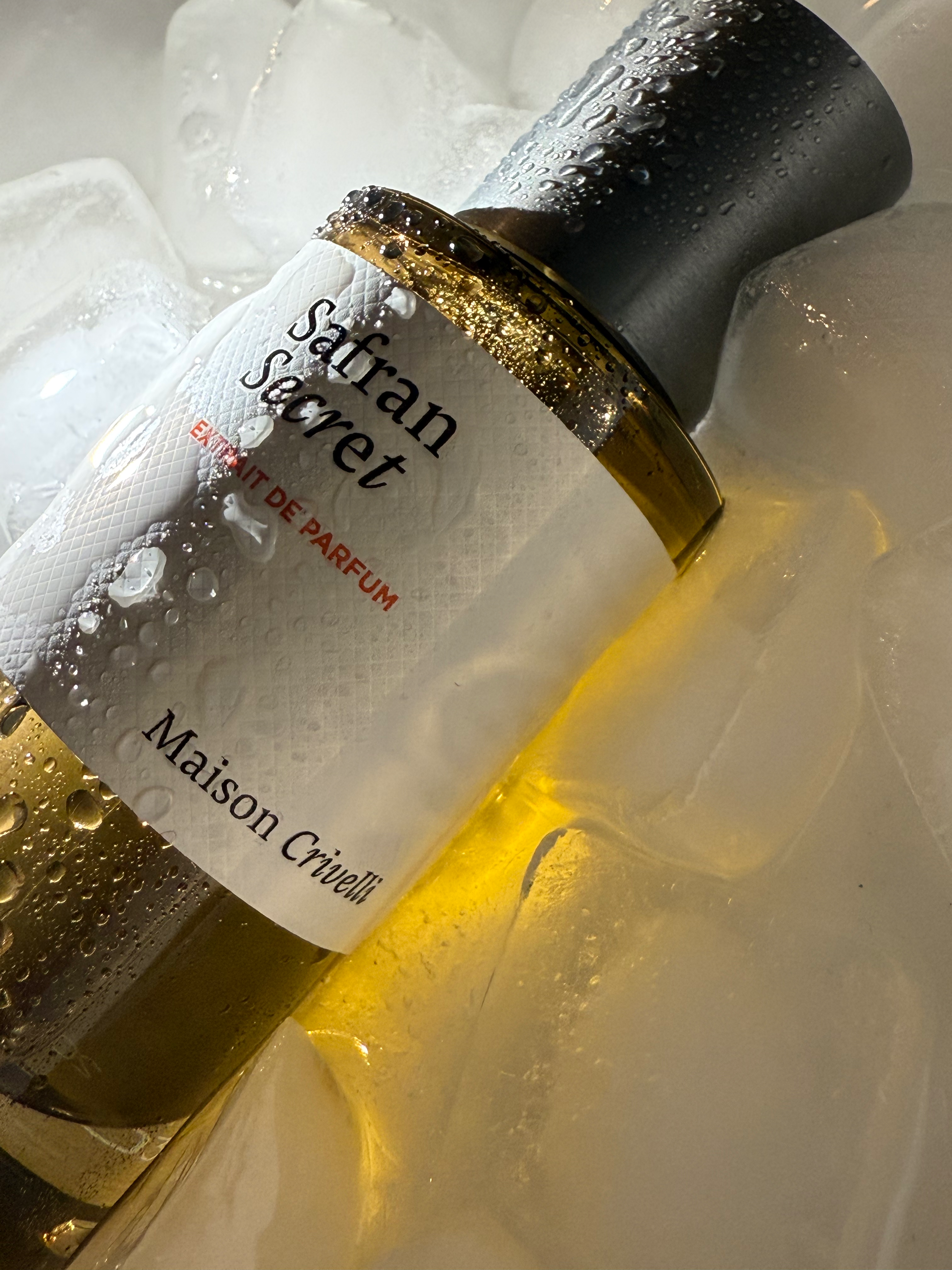
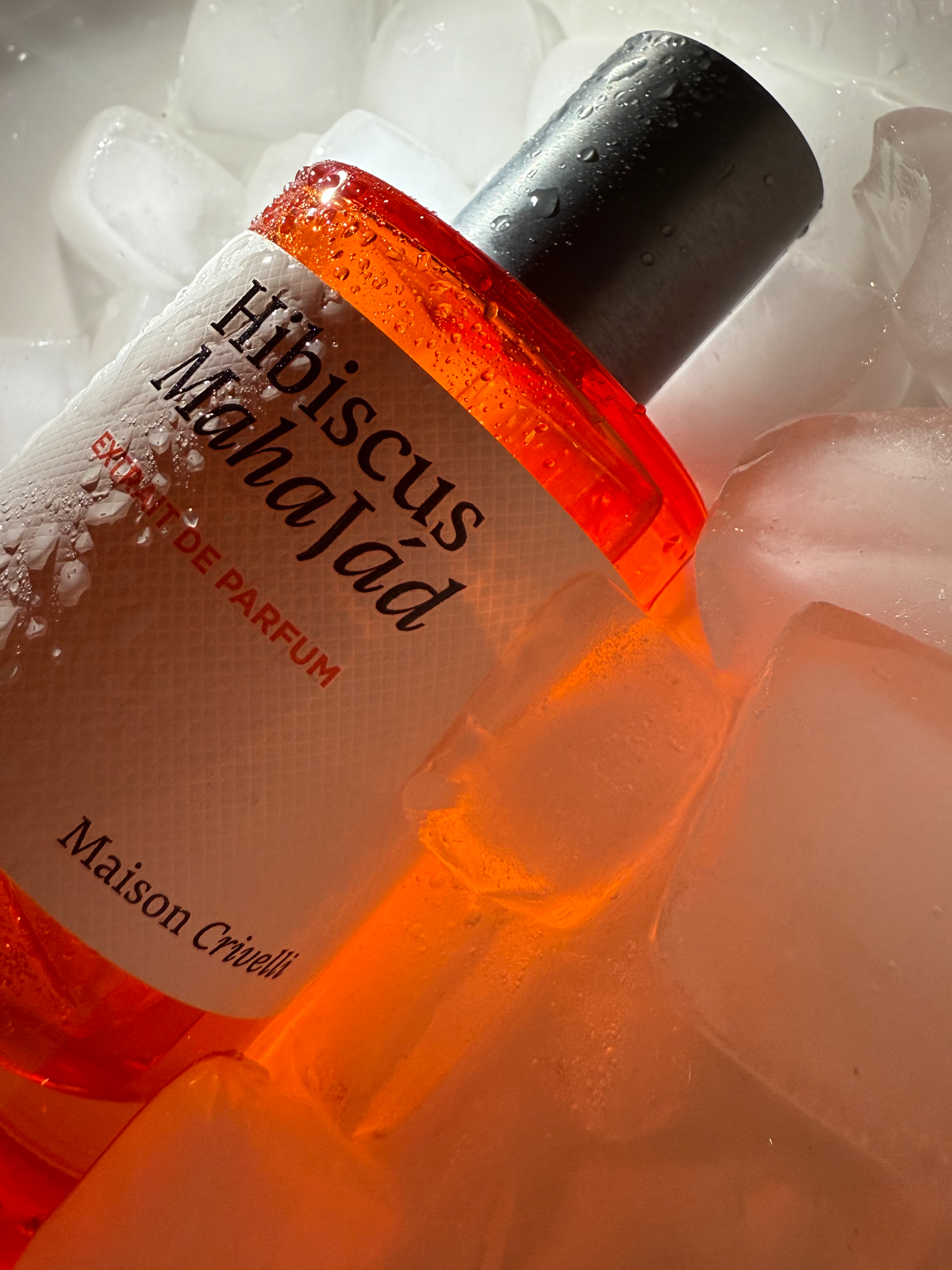
Tips for choosing the right fragrance level
Test
Via samples or decans before buying a larger bottle .
Consider your skin
Dry skin absorbs more quickly, so opt for an EDP or extract.
